Iowa winters are tough on outdoor railings. January temperatures dip into the single digits, and sudden swings in spring and fall stress metal, glass, and coatings alike. Whether you are building a deck in New Bohemia or fixing handrails in Kenwood, the materials you pick can save money and stress. Choosing the right custom railings from the start cuts long-term maintenance costs in a freeze-thaw climate.
How Cedar Rapids Freeze-Thaw Cycles Attack Powder-Coated Railings
Powder coating is the most common protective finish on outdoor metal railings, and it works well when it is intact. Iowa typically sees 100 to 120 freeze-thaw cycles per winter, and each one opens tiny cracks in the coating. Those cracks give moisture a path underneath the finish. When that water freezes, it expands and lifts the finish away from the metal.
The result is rust along the edges. Spray from road salt on nearby streets speeds this up. Fixing bubbling or peeling powder coat early can extend the life of any outdoor metal railing. This is especially true for custom railings near salted roads or driveways, where salt adds to freeze-thaw stress.
Good prep work before coating matters just as much as the coating itself. Proper cleaning and full edge coverage separate a finish that lasts a decade from one that fails after two or three Iowa winters.
Steel and Iron vs. Aluminum: Which Holds Up Better in Iowa Winters?
Steel and Ornamental Iron
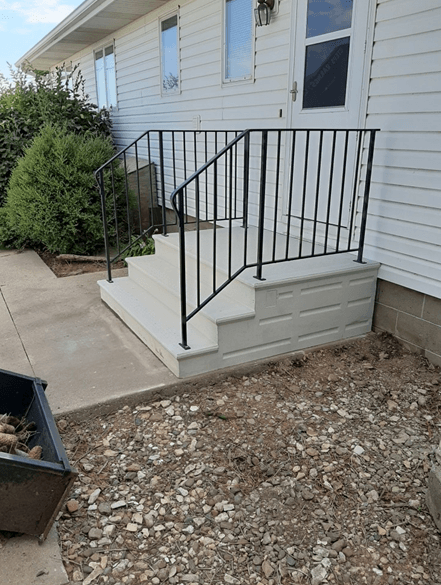
Steel and iron railings are strong and have a classic look. In Iowa, the challenge is rust. Moisture, oxygen, and road salt work together to eat away at steel.
Powder coating or galvanizing, a zinc coating, protects well, but any untreated scratch gives rust a foothold. For custom railings in Cedar Rapids, IA, a yearly spring check can stop small scratches from becoming big problems.
Aluminum
Aluminum is a strong performer in Iowa winters. It does not get brittle in freezing temperatures, resists rust, and handles freeze-thaw cycles well. The main concern is prolonged contact with road salt or de-icing chemicals on scratched powder coat, which exposes bare aluminum. A quick spring rinse of post bases near salted surfaces, plus prompt touch-ups, keeps custom aluminum railings looking good for many years.
Glass Railings and Thermal Shock in Sub-Zero Iowa Weather
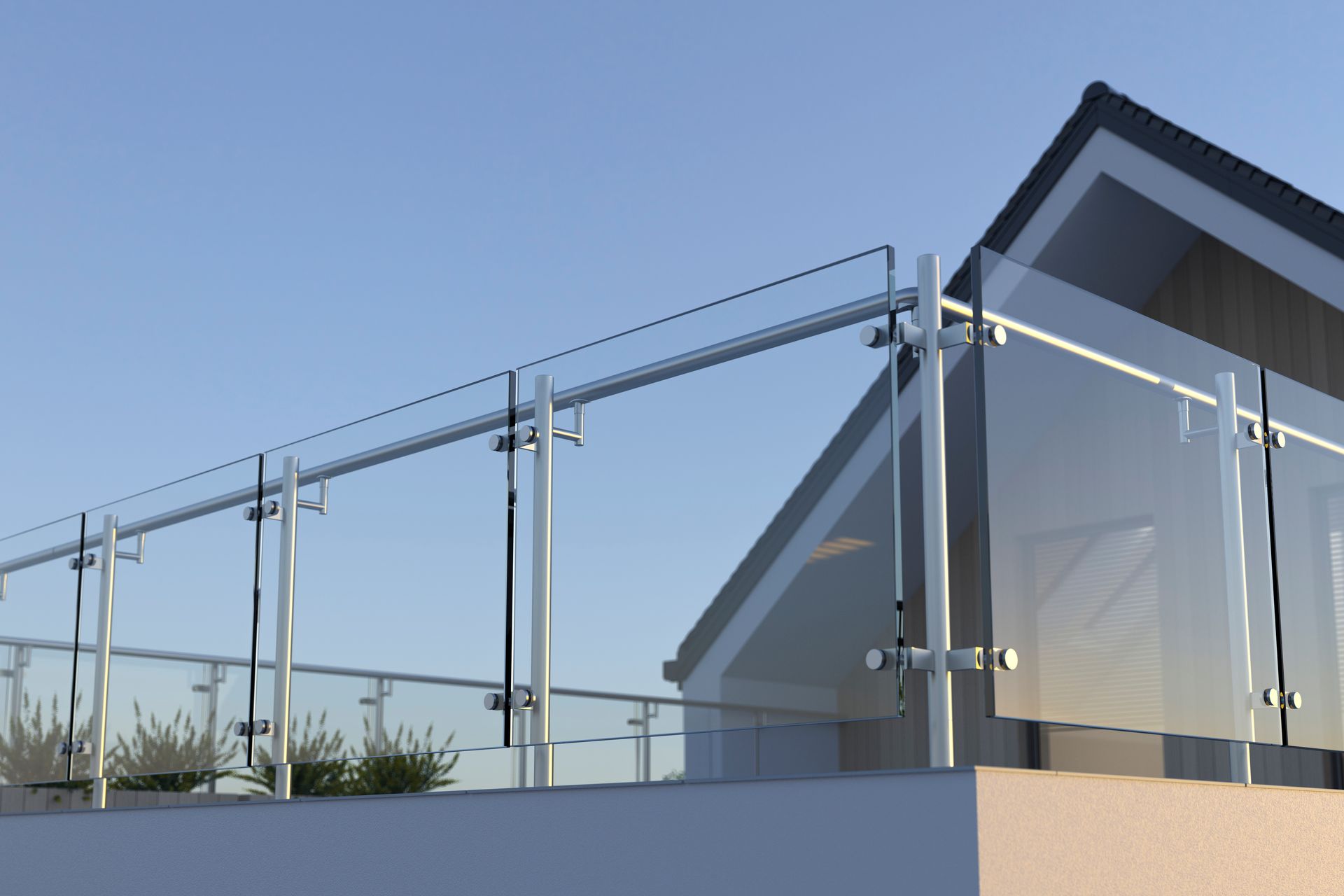
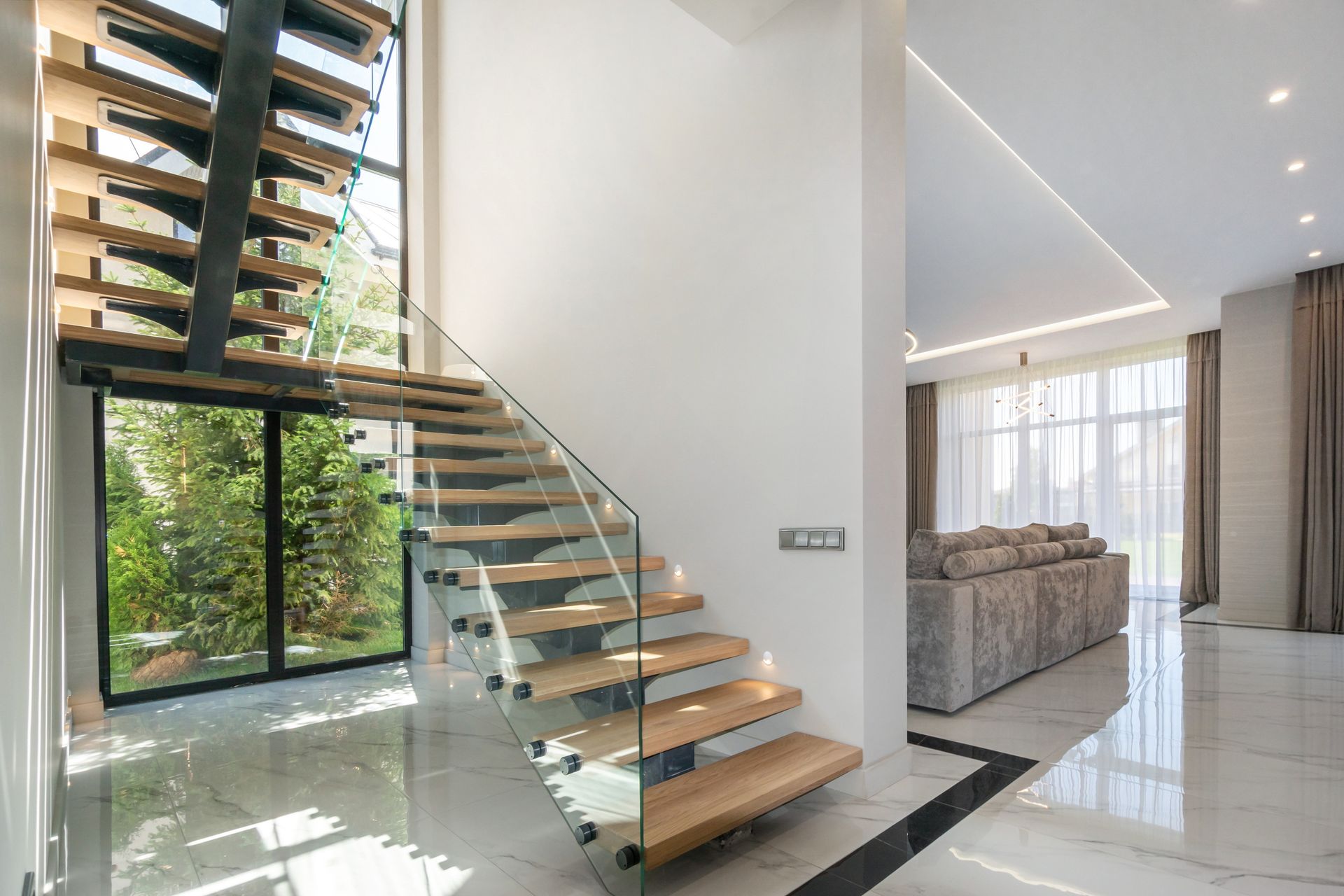
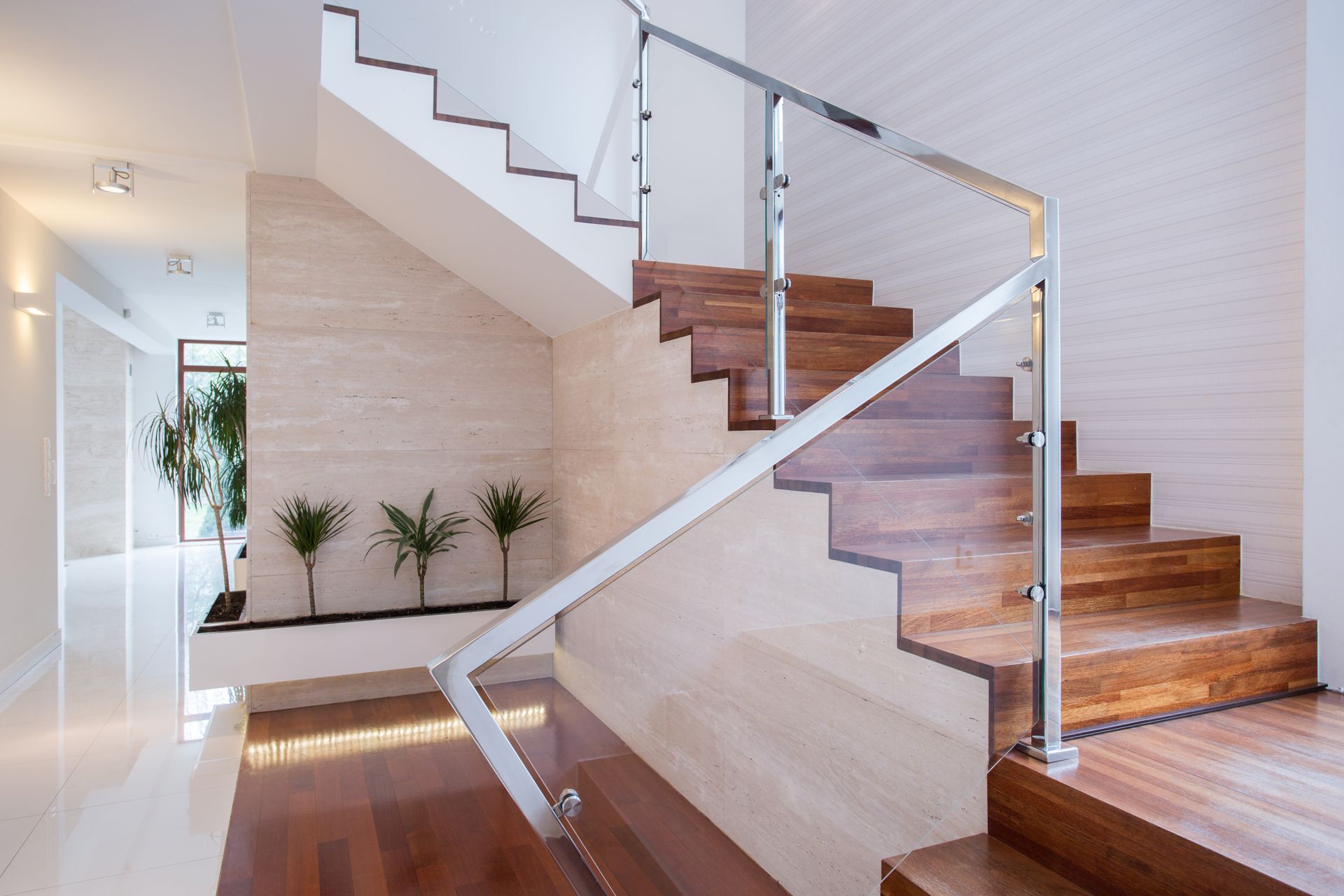
Glass railings are popular for modern railing systems because they open up sight lines without sacrificing safety. Tempered glass, the standard for outdoor use, handles a wide temperature range and stays strong in the cold. Tempering also makes it resistant to sudden temperature changes, and proper installation lets the glass expand and contract without stress.
The hardware holding the glass in place can be a weak point. Chips or edge damage on glass panels can turn into cracks under heavy winter snow. Check panels for chips each fall, before the first hard freeze, so small damage does not become a safety issue.
Glass railing systems that use aluminum frames or posts handle Iowa winters well because aluminum resists rust. Frameless designs also give moisture fewer places to collect.
Seasonal Inspection Checklist for Cable Railings After an Iowa Winter
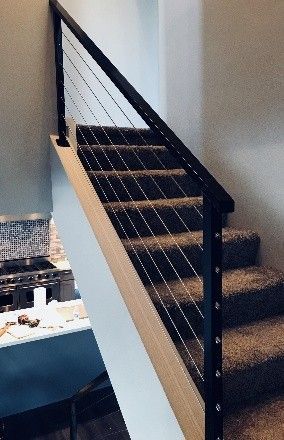
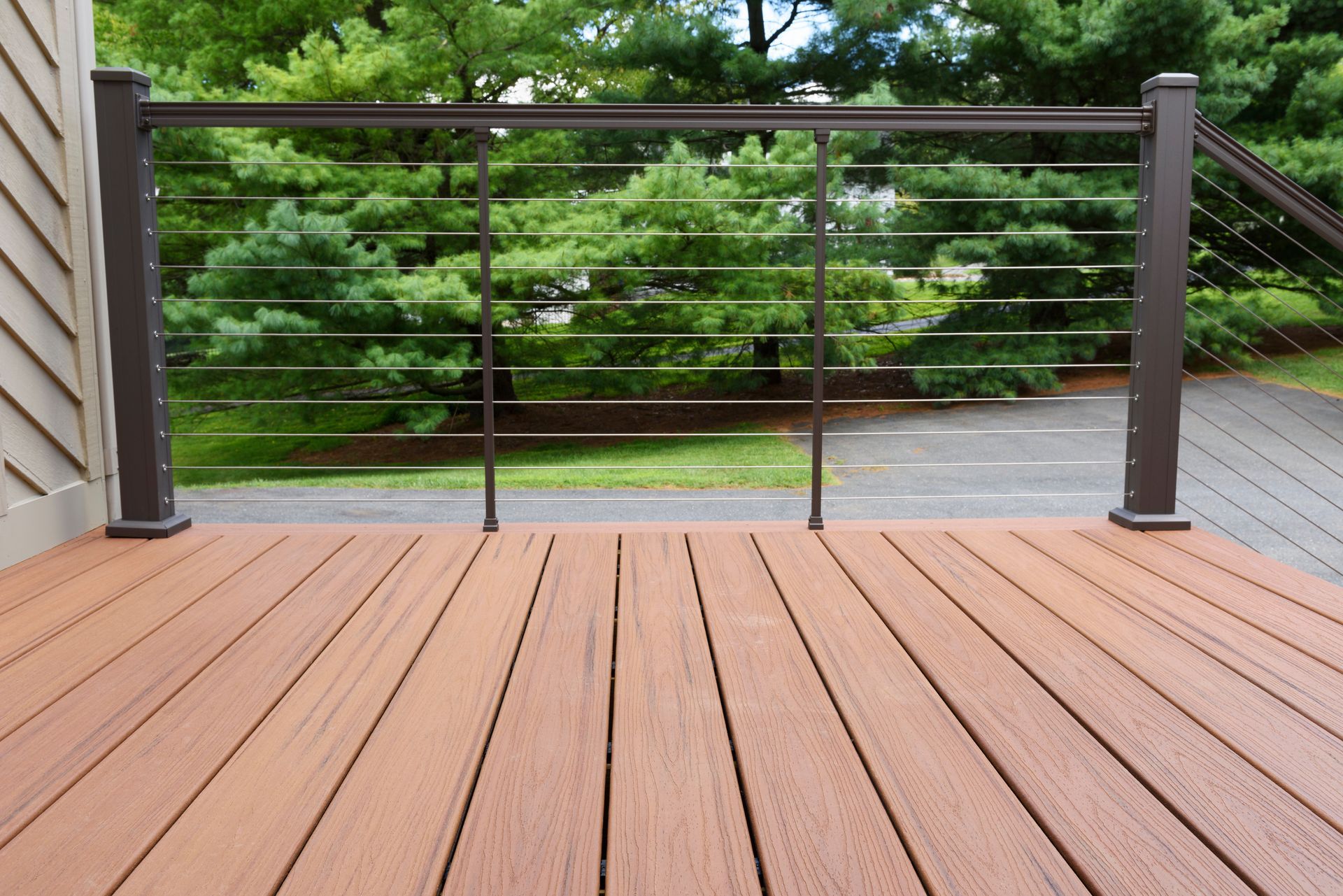
Cable railings require specific attention after a Cedar Rapids winter. Temperature swings cause cables to contract in cold and relax in warmth, shifting tension over a single season.
Spring Cable Tension Inspection
Perform this inspection each spring after winter's temperature extremes have ended:
• Check every cable run visually for sagging or unevenness.
• Confirm tension is balanced across all runs, especially after severe cold.
• Check all bolts, screws, and fasteners for loosening from expansion and contraction.
• Look for rust or corrosion on stainless steel or aluminum parts.
• Rinse salt residue from post bases and cable runs with mild soap and water.
• Confirm cables meet the 4-inch sphere rule required by the International Residential Code.
Fall Pre-Winter Preparation
Check cable tension each fall as well, since a cable that looked fine in summer may need adjustment before winter. Avoid ice melt that contains salt near cable hardware, because it speeds up rust.
For best results, adjust cables when outdoor temperatures are mild. Tightening on a very cold day can leave extra slack when it warms up. Tightening on a hot day can strain posts when the cables shrink in the cold.
What Railing Materials Last Longest in Iowa Winters?
Powder-coated aluminum and properly coated steel both perform well when installed and maintained correctly. Aluminum has a slight edge near salted driveways because it resists rust. Steel and iron offer more strength and a traditional look. For cable and glass systems, good hardware and regular spring checks matter most. Regardless of material, custom railings built for Eastern Iowa's climate will outlast off-the-shelf options.
How Often Should I Inspect My Outdoor Railings in Cedar Rapids?
Inspect your railings twice a year, once each fall before the first hard freeze and once each spring after the thaw. This is the most practical schedule for Cedar Rapids homeowners. Fall checks catch loose fittings, coating damage, and cable tension issues before ice makes access difficult. Spring checks show freeze-thaw damage so you can fix it before regular outdoor use resumes.
Get Expert Help from a Local Railing Fabricator Serving Cedar Rapids
Iowa winters call for materials and finishes chosen for freeze-thaw cycles, high humidity, and road salt. Lister Concrete Products and Railing Fabrication LLC has been fabricating and installing custom railings throughout the Cedar Rapids, IA, region since 1938. Call
(319) 232-4727 or
contact the team to schedule a custom fabrication consultation or a seasonal railing inspection before Iowa winter arrives. Find
Lister Concrete Products and Railing Fabrication LLC on Google Maps to see completed projects and read local reviews.
Do You Need a Permit to Install Interior Railings in Iowa? A 2026 Guide for Waterloo, IA, Homeowners